July 13, 2026
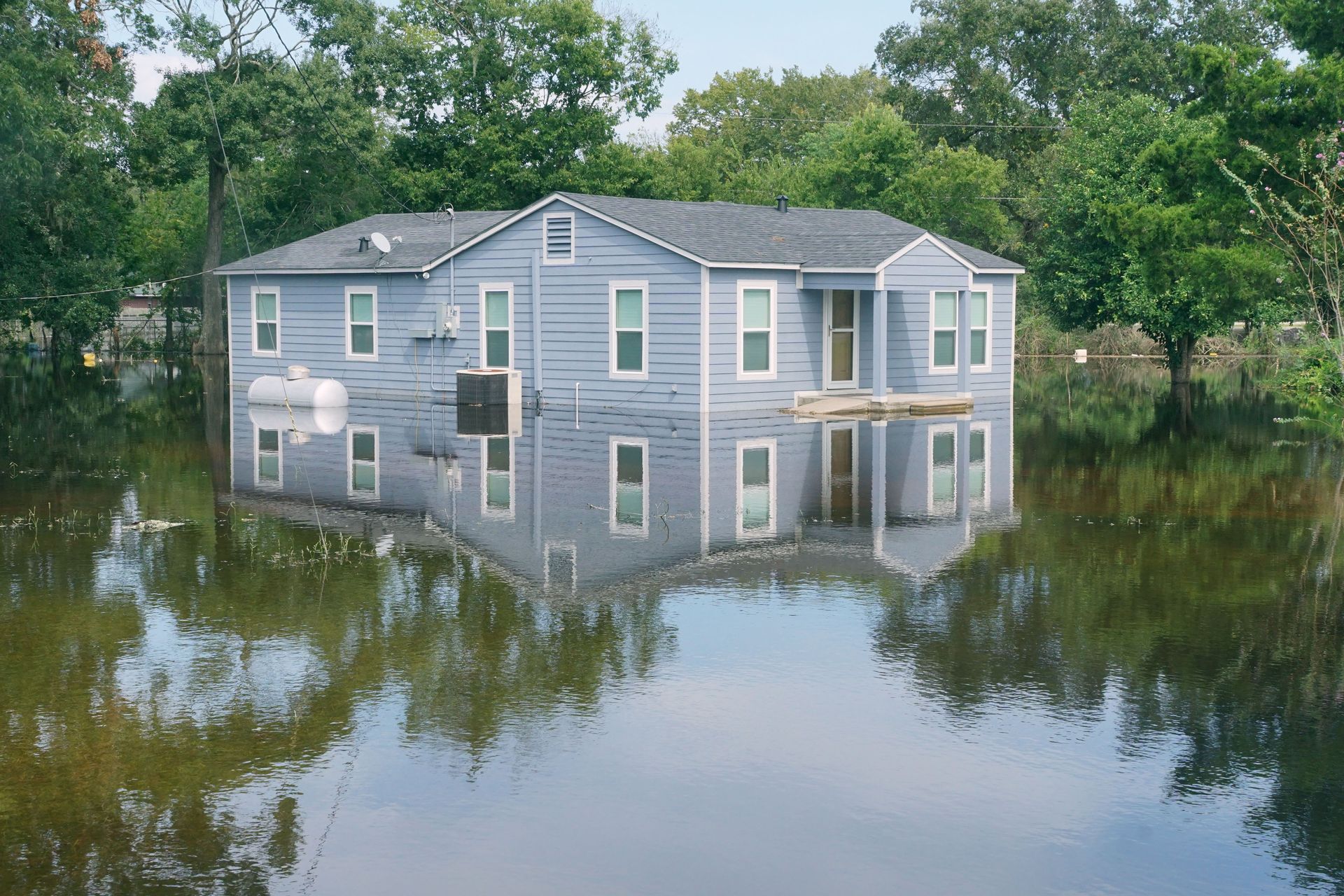
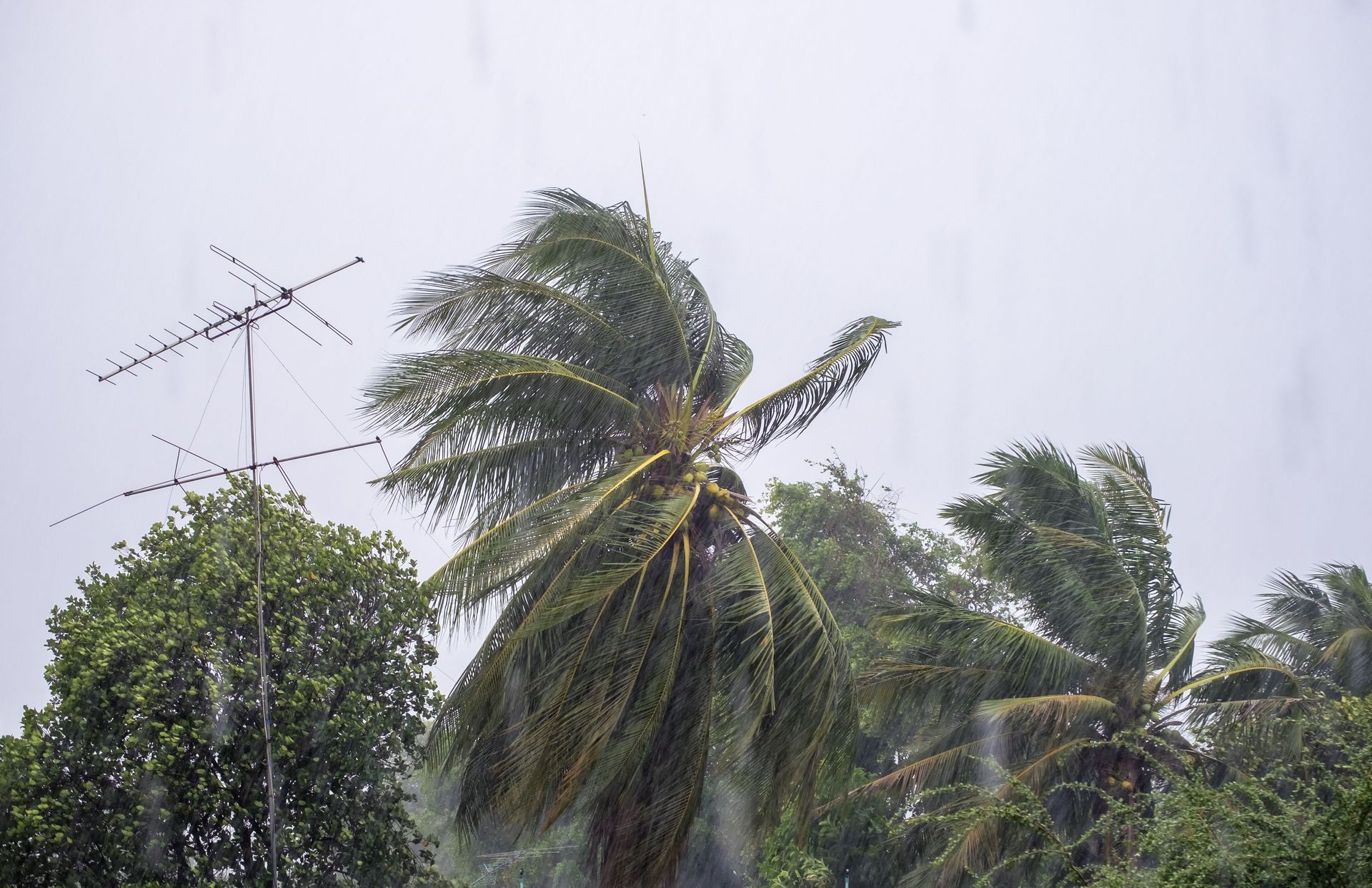
Coastal homes face some of the most demanding weather conditions in the country, where high winds, heavy rainfall, and airborne debris can place significant stress on exterior openings such as windows, doors, and large entry points. These conditions can develop rapidly and intensify over short periods, making structural preparedness an essential consideration for homeowners in vulnerable regions.
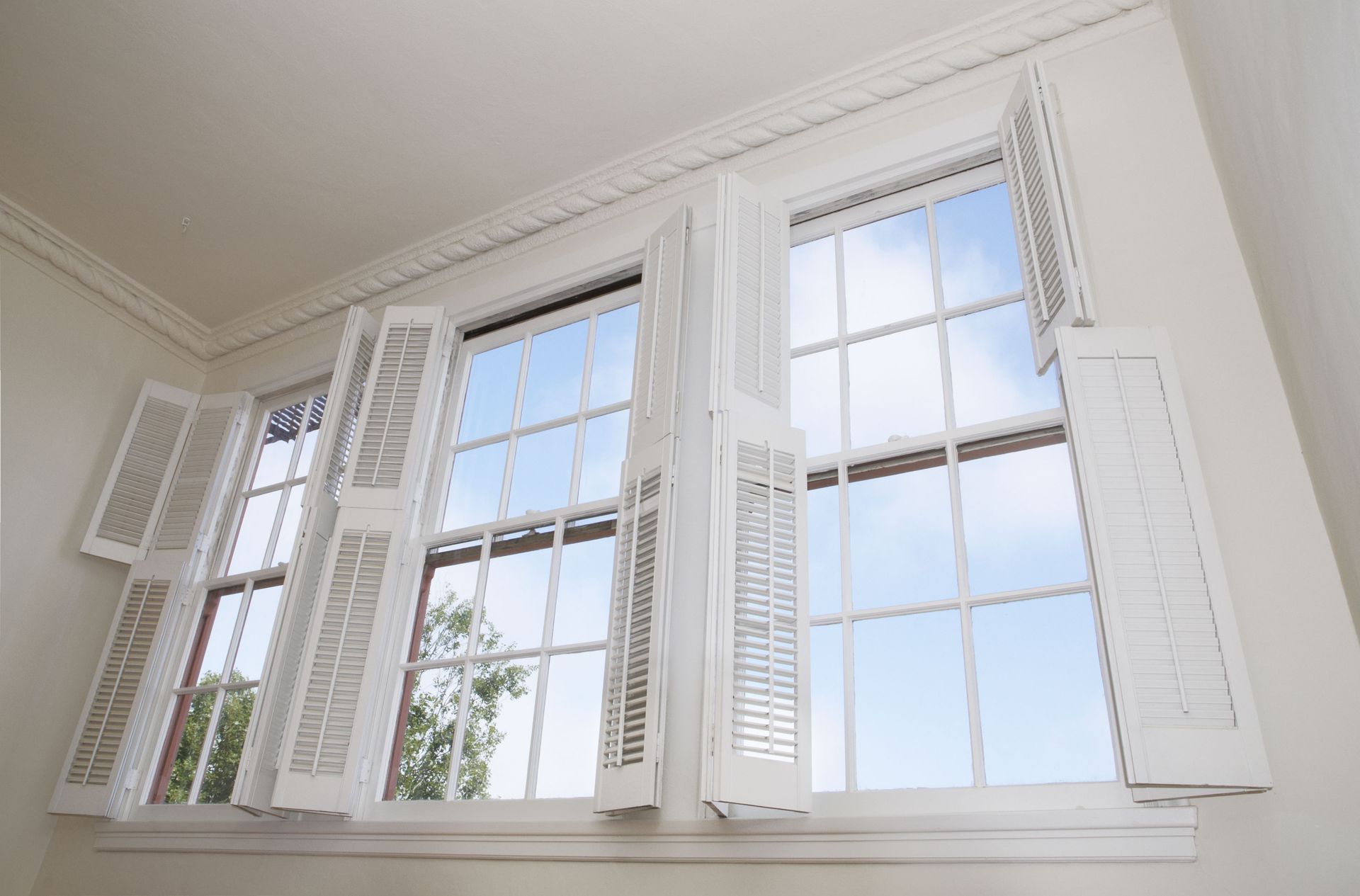
Hurricane shutters are designed with a clear objective: to reduce structural vulnerability at the most exposed points of a building while maintaining long-term durability under repeated environmental exposure. This involves careful material selection, reinforced construction methods, and installation practices that work together as a unified defense system. Many homeowners also rely on professional hurricane shutter services to ensure these systems are correctly matched, installed, and maintained for their property, especially in areas where storm activity is frequent and unpredictable.
The goal is not only to withstand immediate storm impact but also to preserve the integrity of the building envelope over time, reducing the likelihood of water intrusion, pressure failures, and structural compromise during severe weather events.
Material Engineering and Structural Integrity
High-Strength Materials and Load Resistance
Modern hurricane shutters are built using materials selected for their ability to resist deformation under extreme pressure. Aluminum alloys are commonly used due to their strength-to-weight ratio, corrosion resistance, and durability in salt-heavy coastal environments. Polycarbonate panels are also used in select systems where impact resistance and visibility are both priorities. These materials are tested to withstand sustained pressure loads that simulate severe storm conditions.
The importance of material selection becomes especially clear when considering extreme wind events. According to FactRetriever, recorded hurricane wind speeds have reached approximately 200 mph, a level of force that can compromise weaker building components if they are not properly reinforced. In response, shutter systems are engineered to distribute impact forces across their frame structure rather than concentrating stress at a single point. This approach significantly improves resilience during high-pressure weather events and helps maintain structural integrity when conditions deteriorate rapidly.
Reinforced Frames and Anchoring Systems
Beyond panel strength, the framing system plays a critical role in overall performance. Frames are typically reinforced with internal stiffeners and designed to interlock securely with mounting hardware. This ensures that loads are transferred efficiently into the building structure rather than remaining concentrated on the shutter surface.
Anchoring systems are equally important, as they secure shutters directly into structural framing elements such as concrete or reinforced masonry. Proper anchoring reduces the risk of displacement during gust-driven pressure changes. Many homeowners choose professional hurricane shutter services to ensure anchoring systems are installed according to manufacturer specifications, local building codes, and site-specific structural requirements.
Corrosion Resistance in Coastal Conditions
Coastal environments introduce long-term exposure to moisture, salt, and humidity, all of which can degrade unprotected materials over time. To counter this, shutters are treated with protective coatings or manufactured from inherently corrosion-resistant materials. Powder-coated finishes, stainless steel fasteners, and sealed components help extend operational lifespan.
These protective measures are not only about durability but also about maintaining mechanical performance over time. A shutter system that corrodes or binds can fail to deploy properly when needed most. Regular inspections through hurricane shutter services help ensure that corrosion does not compromise structural readiness, particularly before peak storm seasons when reliability is most critical.
Design Principles for Wind and Impact Protection
Aerodynamic Load Distribution
Hurricane shutters are not only built to be strong, but also to manage airflow pressure effectively. Their surfaces are designed to minimize uplift forces by reducing gaps where wind can enter and create internal pressure differentials. This helps prevent sudden structural stress on windows and doors during rapid shifts in storm intensity.
Some shutter designs also incorporate slatted or curved profiles that help redirect wind flow. By reducing direct resistance, these profiles limit the buildup of pressure that can lead to structural failure. This balance between strength and airflow management is a key aspect of modern shutter engineering, especially in coastal zones where wind direction can change quickly.
Impact Resistance Against Airborne Debris
During severe storms, debris from wind is one of the most damaging forces acting on residential structures. Shutters are therefore tested to withstand repeated impacts from objects propelled at high velocity. Multi-layer construction, reinforced cores, and flexible yet strong materials are used to absorb and disperse impact energy without catastrophic failure.
This design approach ensures that even if one layer experiences stress, the overall system remains intact and continues to provide protection. Impact resistance is a major reason homeowners rely on professional hurricane shutter services when selecting systems for high-risk areas, particularly where surrounding landscapes or urban environments increase debris potential.
Structural Integration With Building Openings
A hurricane shutter system is only as effective as its integration with the building envelope. Proper alignment with window and door openings ensures that loads are distributed evenly into surrounding structural elements. Poor integration can create weak points that reduce overall effectiveness and increase the risk of failure under pressure.
For this reason, custom fitting is often required to match each opening precisely. This includes adjusting frame dimensions, selecting appropriate mounting hardware, and verifying structural compatibility. Many installations are completed as part of comprehensive hurricane shutter services to ensure full system alignment and consistent performance across all protected openings.
Installation Standards and Long-Term Reliability
Precision Installation Methods
Correct installation is essential for ensuring shutters perform as designed under extreme conditions. This involves precise measurement, secure fastening, and alignment with structural load paths. Even small installation errors can significantly reduce performance during high-wind events.
Professional installers typically follow manufacturer specifications closely to ensure consistent results. This includes verifying substrate strength and using approved anchoring techniques. When properly installed, shutters become an integrated part of the building's protective envelope rather than a separate attachment, improving both reliability and storm readiness.
Maintenance and Operational Readiness
Hurricane shutters require periodic maintenance to ensure they remain fully functional over time. This includes inspecting moving parts, checking fasteners, and ensuring that deployment mechanisms operate smoothly. Environmental exposure can gradually affect performance if left unchecked, especially in coastal climates.
Routine servicing helps identify early signs of wear or misalignment before they become critical issues. Many property owners schedule ongoing hurricane shutter services to maintain readiness throughout storm seasons, ensuring that systems can be deployed quickly and effectively when severe weather approaches.
Warranty Support and System Longevity
Long-term reliability is supported through structured warranty coverage that protects both materials and installation quality. This assures that the system will continue performing as intended over time, even under repeated environmental stress.
In addition to warranty protection, professional oversight helps extend the operational life of the system. Regular servicing, timely repairs, and proper storage practices all contribute to sustained performance and durability. When combined with consistent hurricane shutter services, these measures help ensure that protection systems remain dependable year after year.
Hurricane shutters are engineered systems that combine material strength, structural design, and precise installation practices in order to protect buildings from extreme weather. Their effectiveness depends on how well each component works together under high wind pressure and impact conditions, especially in environments where storms can intensify with little warning.
As coastal weather events continue to challenge residential structures, well-built shutter systems remain a critical line of defense. With proper design, professional hurricane shutter services, and ongoing maintenance, homeowners can significantly reduce vulnerability and improve long-term property resilience without compromising structural integrity or safety. If you're a homeowner interested in securing durable hurricane shutters for your property, reach out to Port City Hurricane Shutters!